High cholesterol can develop without making you feel unwell, which is why it is often described as a silent health concern. Understanding non-HDL cholesterol symptoms is especially important because elevated non-HDL cholesterol usually does not cause noticeable symptoms on its own. Instead, it is identified through a blood test and considered alongside other factors that affect heart and blood vessel health.
Non-HDL cholesterol includes cholesterol carried by several types of potentially atherogenic lipoproteins. When levels remain elevated over time, they can contribute to plaque buildup in the arteries and increase cardiovascular disease risk. Knowing what your results mean can help you discuss appropriate follow-up with your healthcare professional.

What Is Non-HDL Cholesterol?
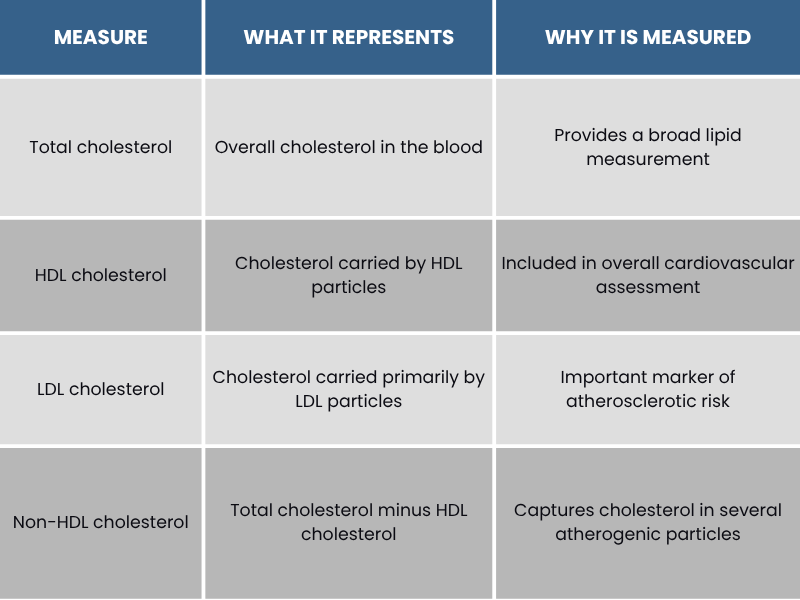
Non-HDL cholesterol is calculated by subtracting HDL cholesterol from total cholesterol. It represents the cholesterol contained in lipoproteins other than HDL, including LDL and several other particles that can contribute to atherosclerosis. A standard lipid panel typically reports total cholesterol, HDL cholesterol, LDL cholesterol and triglycerides. Non-HDL cholesterol can then be calculated from the total cholesterol and HDL results. For example, if total cholesterol is 210 mg/dL and HDL cholesterol is 50 mg/dL:
Non-HDL cholesterol = 210 − 50 = 160 mg/dL
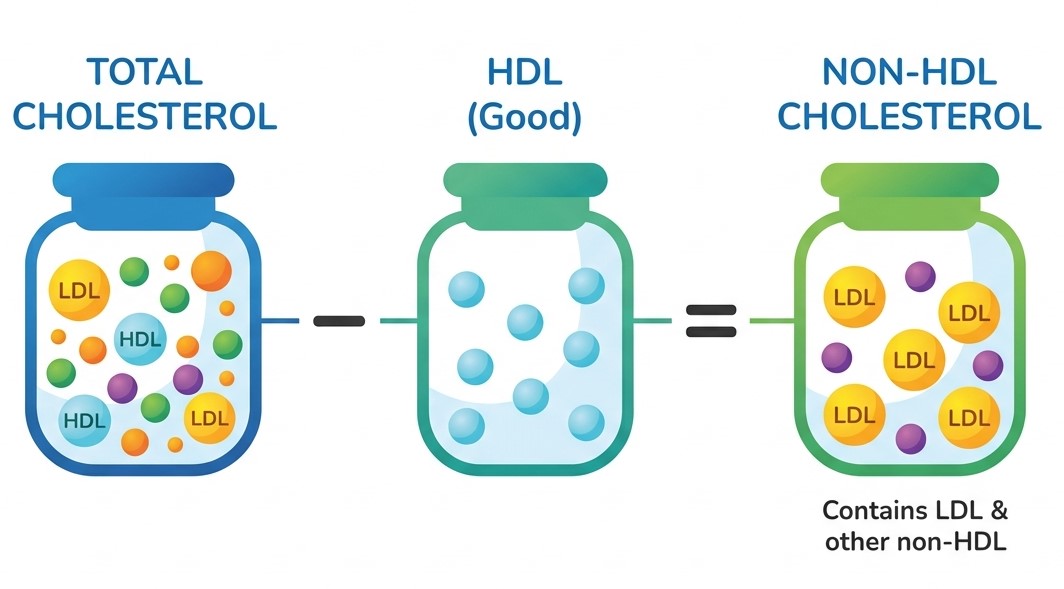
Because non-HDL cholesterol captures more than LDL cholesterol alone, it can provide useful information when evaluating a person's overall lipid profile.
Are There Symptoms of High Non-HDL Cholesterol?
The most important fact about non-HDL cholesterol symptoms is that high levels generally do not cause any direct, noticeable symptoms. A person can have elevated cholesterol for years while feeling completely healthy. There may be no pain, fatigue, dizziness or other specific physical warning sign indicating that cholesterol is elevated. This is one reason routine blood testing is important.
The absence of non-HDL cholesterol symptoms does not necessarily mean that cholesterol levels are within a healthy range. Cholesterol-related changes in the arteries can develop gradually. Over time, cholesterol-containing particles can contribute to plaque formation, potentially narrowing or stiffening blood vessels.
Can High Cholesterol Cause Chest Pain?
High cholesterol itself does not typically cause immediate chest pain. However, plaque associated with long-term cholesterol-related arterial disease can contribute to coronary artery narrowing.
When the heart does not receive enough oxygen-rich blood, a person may experience symptoms such as chest pressure or discomfort, particularly during physical activity. These symptoms relate to cardiovascular disease rather than to a cholesterol level directly. Sudden chest pain or pressure, especially when accompanied by shortness of breath, sweating, nausea or pain spreading to the arm, jaw or back, requires urgent medical attention.
What Does a High Non-HDL Cholesterol Level Mean?
The high non-HDL cholesterol meaning depends on the actual result and the person's overall health and cardiovascular risk profile. There is not one number that automatically determines whether someone needs treatment. Healthcare professionals may consider non-HDL cholesterol together with LDL cholesterol, triglycerides, blood pressure, diabetes status, smoking history, age, family history and previous cardiovascular disease.
Understanding Your Result
The non-HDL cholesterol normal range can be discussed in general terms, but interpretation should not rely on the number alone. Laboratory reference ranges and treatment targets can differ depending on the patient and clinical circumstances. For adults, a non-HDL cholesterol level below 130 mg/dL is commonly considered desirable, while higher levels may warrant closer assessment depending on the individual's overall risk.
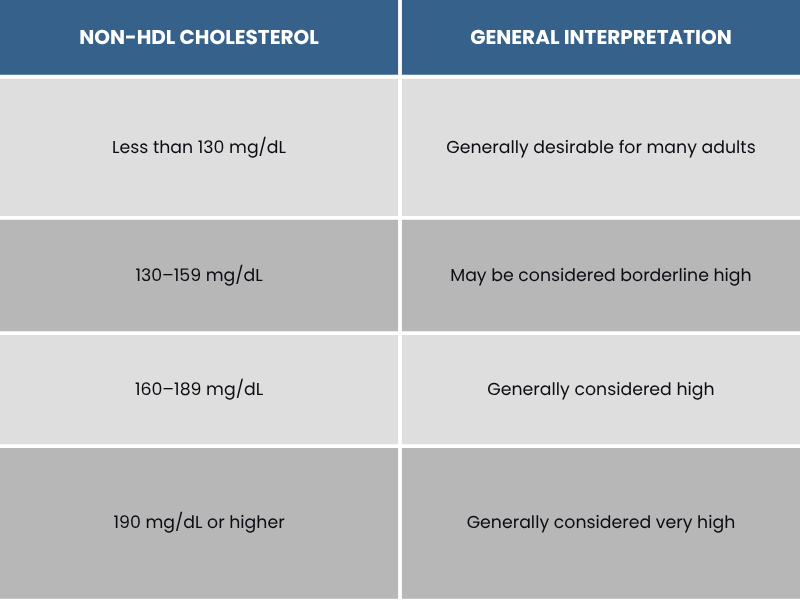
These categories are general educational ranges, not a diagnosis. Your healthcare professional may use a different target based on your health history and treatment goals. The non-HDL cholesterol normal range should therefore be viewed in the context of the complete lipid profile and individual cardiovascular risk rather than as an isolated number.
What Causes High Non-HDL Cholesterol?
Several factors can contribute to elevated non-HDL cholesterol. Some are related to lifestyle, while others involve genetics or underlying health conditions.
Diet and Lifestyle
A diet high in saturated fats and trans fats can adversely affect cholesterol levels. Physical inactivity and excess body weight can also contribute to an unhealthy lipid profile. Other lifestyle factors, including smoking and excessive alcohol consumption, can affect overall cardiovascular health and may influence lipid levels.
Genetics and Health Conditions
Some people inherit a tendency toward high cholesterol. Familial lipid disorders can cause substantially elevated cholesterol levels even when a person follows a healthy lifestyle. Certain medical conditions may also affect cholesterol metabolism. These can include diabetes, hypothyroidism and some kidney or liver conditions. Some medications can influence cholesterol levels as well.
What Are the Health Risks of High Non-HDL Cholesterol?
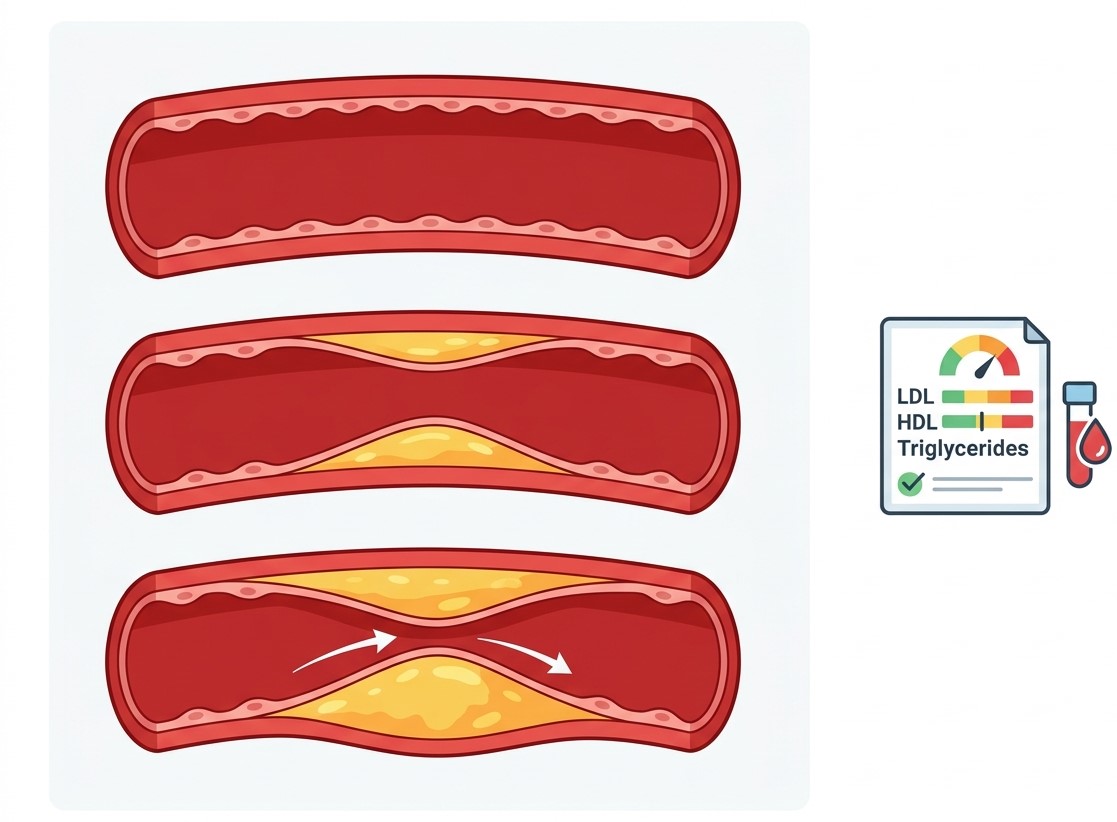
Persistent elevation is important because cholesterol-containing lipoproteins can contribute to atherosclerosis. Plaque can gradually accumulate within artery walls and interfere with normal blood flow. This can increase cardiovascular disease risk, particularly when elevated cholesterol occurs alongside other risk factors. Potential complications associated with atherosclerotic cardiovascular disease include:
- Coronary artery disease
- Heart attack
- Stroke
- Peripheral artery disease
The presence of high non-HDL cholesterol does not mean that a person will definitely develop one of these conditions. Rather, it is one factor that can contribute to long-term risk.
High Non-HDL Cholesterol vs. LDL Cholesterol
Both measurements can provide useful information, but they are not identical.
How Is High Non-HDL Cholesterol Detected?
Because non-HDL cholesterol symptoms are generally absent, a blood test is the primary way to identify an elevated result. A lipid panel measures several important blood lipid values. Depending on the testing method and laboratory, the test may be performed after fasting or without fasting.
Your healthcare professional may compare current results with previous tests to identify changes over time. A single abnormal result may also need to be interpreted alongside other health information before decisions about treatment are made. When reviewing results, pay attention to the units used by the laboratory. In the United States, cholesterol is commonly reported in mg/dL, while some countries use mmol/L.
How Can You Lower High Non-HDL Cholesterol?
If your results are elevated, lifestyle changes may be part of the management plan. Depending on your individual risk, medication may also be recommended. Helpful measures can include:
- Choosing more vegetables, fruits, whole grains and fibre-rich foods
- Replacing foods high in saturated fats with sources of unsaturated fats
- Engaging in regular physical activity
- Maintaining a healthy weight
- Avoiding tobacco
- Taking prescribed cholesterol-lowering medication as directed
The appropriate approach depends on the degree of cholesterol elevation and your broader health profile.
When Should You Speak With a Healthcare Professional?
Understanding non-HDL cholesterol symptoms is useful, but waiting for symptoms is not a reliable way to monitor cholesterol. Consider discussing your results with a healthcare professional if your cholesterol is elevated, you have several cardiovascular risk factors, or you have a strong family history of cardiovascular disease.
Seek emergency medical care for symptoms that could indicate a heart attack or stroke, including sudden chest pressure, severe difficulty breathing, sudden weakness or numbness on one side of the body, facial drooping or difficulty speaking.
High Non-HDL Cholesterol Often Has No Warning Signs
The key takeaway is that non-HDL cholesterol symptoms are usually absent. A person can have elevated cholesterol without feeling different, making routine blood testing an important part of cardiovascular health assessment. A high result does not automatically mean that cardiovascular disease is present, but persistent elevation can contribute to long-term arterial plaque formation and increased risk. Understanding your result alongside LDL cholesterol, triglycerides and other risk factors gives you a more complete picture.
If your cholesterol results are outside the expected range, discuss them with a qualified healthcare professional. They can help determine whether lifestyle changes, repeat testing or treatment may be appropriate for your individual circumstances.
Understand Your Health Reports With MSR
Laboratory results can contain valuable information about your health, but knowing what each measurement means can make them easier to understand. MSR helps make medical reporting more accessible so patients and healthcare professionals can focus on meaningful health information.
Visit MSR to learn more about simplifying the way medical reports are understood and managed.