Your Guide To
Understanding Medical Reports
Discover expert articles, practical tips, and easy-to-follow guides for understanding medical reports. Learn through clear medical report explanation, improve your lab test interpretation skills, and make better sense of your health information with confidence.
 Health Education
How To Read A CT Scan Report: Explained Findings & Impression
A CT scan report follows a clear structure. Learn the difference between Findings and Impression, what terms like “stable” and “unremarkable” mean, and how to approach follow-up recommendations.
 Health Education
Thyroid Peroxidase Antibodies High: Causes, Meaning & Next Steps
High TPO antibodies may indicate thyroid autoimmunity, often linked to Hashimoto’s disease. Learn what your results mean, how TSH and free T4 help assess thyroid function, and when monitoring or treatment may be needed.
 Health Education
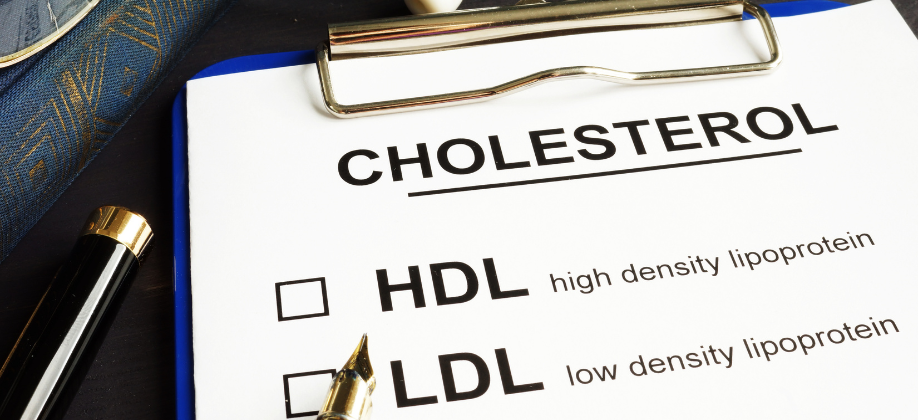
Non-HDL Cholesterol Symptoms: Signs, Risks & What High Levels Mean
High non-HDL cholesterol often has no warning signs. Learn what your levels mean, the risks of high cholesterol, and how regular testing can help protect your heart health.
 Health Education
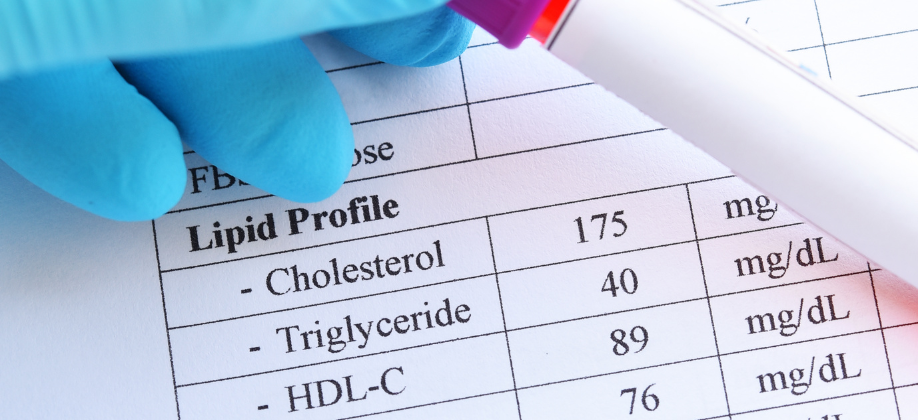
What Is the Most Common Cause of High Platelet Count? Causes & When to Worry
A high platelet count is often caused by infection, inflammation, iron deficiency, or blood loss. Learn about common causes, symptoms, when to worry, and when further testing may be needed.
 Health Education
CEA Blood Test Normal Range: Levels Chart & What Yours Means
A clear breakdown of the CEA blood test normal range, including a levels chart, smoker vs non-smoker differences, and what a high or low result may mean.
 Health Education
RDW-SD Blood Test High: Causes, Normal Range & Next Steps
A high RDW-SD result on a complete blood count means your red blood cells vary more in size than expected a pattern called anisocytosis. While it's commonly linked to nutritional deficiencies (iron, B12, folate), it can also reflect blood loss, recovery from anaemia, or chronic conditions, and should always be read alongside MCV, haemoglobin, and other CBC values rather than on its own.
 Health Education
Pediatric Lab Results Explained: A Guide for Parents
Pediatric lab results can differ significantly from adult test results. Learn how age-specific reference ranges work, understand common childhood lab tests, and know what to do when results are marked high or low.
 Health Education
Blood Test MCV Low Meaning: Causes & What It Indicates
A low MCV result means your red blood cells are smaller than normal. Learn about the common causes of low MCV, possible symptoms, diagnosis, treatment, and what your blood test results may indicate.
 Health Education
Tools to Organize and Manage Multiple Family Members Medical Records
Tools to Organize and Manage Multiple Family Members Medical Records help you keep separate health profiles for kids, parents, and elderly relatives in one secure account.
 Health Education
Emergency Medical ID: QR Code App Guide & Benefits
An emergency medical ID keeps your essential health info allergies, medications, conditions, and emergency contacts ready when you can't speak for yourself.
 Health Education
Blood Test Results Explained: A Complete Guide to Understanding Your Lab Report
Understand your blood test report with confidence. Learn what CBC, biomarkers, and reference ranges mean and how to read results accurately.