
Health Education

GGT Liver Test: What High Levels Really Mean

Dr Haleema Azhar November 12, 2026 5 min read
GGT Liver Test: What High Levels Really Mean
Understand your GGT blood test results. Explore normal reference ranges, common causes of high GGT levels, symptoms, and how to lower them safely.

Gamma-glutamyl transferase (GGT) is an enzyme found mainly in the liver and also in other tissues. Elevated GGT levels can indicate liver irritation, bile-flow problems, alcohol-related liver injury, or certain medication effects. Typical adult reference limits are approximately below 50 U/L for men and below 40 U/L for women, although laboratories use different ranges.

The GGT liver function result is most useful when interpreted alongside other blood tests, medical history, symptoms, and lifestyle factors. A high result does not automatically mean serious liver disease, and even a normal result cannot rule out every liver condition. Understanding what GGT measures and why it rises can help you have a more informed discussion with your healthcare professional.

What Is a GGT Test?
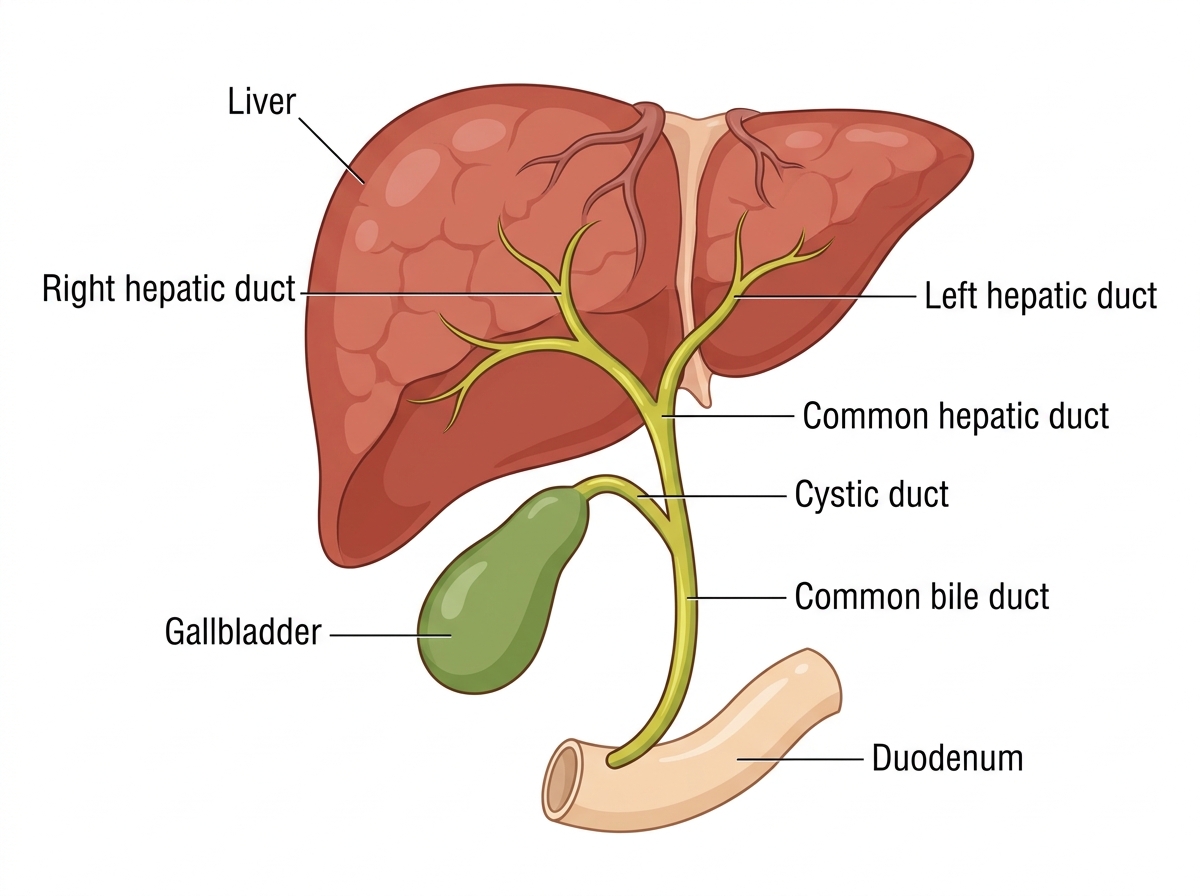
Gamma-glutamyl transferase (GGT) is an enzyme found mainly in the liver and also in other tissues. Elevated GGT levels can indicate liver irritation, bile-flow problems, alcohol-related liver injury, or certain medication effects. Typical adult reference limits are approximately below 50 U/L for men and below 40 U/L for women, although laboratories use different ranges.  The GGT liver function result is most useful when interpreted alongside other blood tests, medical history, symptoms, and lifestyle factors. A high result does not automatically mean serious liver disease, and even a normal result cannot rule out every liver condition. Understanding what GGT measures and why it rises can help you have a more informed discussion with your healthcare professional.  What Is a GGT Test?  If you are wondering what is a GGT test, it is a blood test that measures the amount of gamma-glutamyl transferase circulating in your bloodstream. Doctors commonly order it when investigating possible liver damage or problems affecting bile flow.  What GGT Measures  GGT is an enzyme involved in the metabolism of glutathione, a substance that helps protect cells against oxidative damage. Although GGT is present in several tissues, increased blood levels are particularly useful as a clue to liver or biliary problems. A GGT liver function assessment can help identify patterns associated with liver-cell irritation, alcohol exposure, and impaired bile flow. However, GGT is not specific enough to identify the exact cause on its own. Other blood tests and, when necessary, imaging are used to clarify the findings.  Why Doctors Order a GGT Test  A doctor may request GGT testing if you have abnormal liver-related blood results, symptoms suggesting a liver or bile-duct condition, or risk factors such as heavy alcohol consumption or metabolic disease. The test is also useful when alkaline phosphatase (ALP) is elevated. GGT can help determine whether a raised ALP is more likely to originate from the liver and biliary system rather than the bones.  A GGT liver function test may be included in an investigation of suspected fatty liver disease, hepatitis, or bile-flow obstruction. It may also help clinicians monitor changes over time, depending on the underlying condition and treatment plan.  GGT Normal Range  The GGT normal range varies according to the laboratory, testing method, age, sex, and other factors. Always compare your result with the reference interval printed on your own laboratory report.  Group  Approximate reference limit  Adult men  Below 50 U/L  Adult women  Below 40 U/L  These figures are general examples, not universal cut-offs. Some laboratories use different limits, so a value slightly above one laboratory's range may fall within another's. Children can also have different reference intervals.  Interpreting GGT liver function results requires more than checking whether a number is flagged high. Your clinician will consider the degree of elevation, previous results, other liver-related markers, medication use, alcohol intake, and any symptoms.  What Does a High GGT Mean?  An elevated GGT indicates increased enzyme activity in the blood, which may reflect liver or biliary irritation. It can occur with fatty liver disease, alcohol-related injury, certain medications, and conditions that interfere with bile drainage. People searching for GGT blood test high meaning should know that the number alone cannot establish a diagnosis. The same level may have different explanations in different people, and the relationship between GGT and the severity of liver damage is not straightforward.  Mildly vs. Markedly Elevated GGT  A mild elevation may be associated with metabolic risk factors, alcohol use, or medication effects. A more pronounced increase may occur with significant liver or biliary disease, but there is no single GGT threshold that reliably identifies a particular diagnosis.  Result pattern  Possible interpretation  What may happen next  Slightly above the reference range  Alcohol exposure, metabolic factors, medication effects, or early liver changes  Review history and other blood results; repeat testing if appropriate  Clearly elevated  Possible liver inflammation, fatty liver disease, or impaired bile flow  Further blood tests and clinical assessment  Markedly elevated  Potentially significant liver or biliary disease, among other causes  Prompt assessment, guided by symptoms and accompanying results  These patterns are illustrative, not diagnostic categories. A very high result does not prove permanent damage, and a modest elevation should not automatically be dismissed.  Common Causes of High GGT  The high GGT causes most relevant to an individual depend on their medical history, other test results, and exposure to potential triggers. Several common possibilities deserve consideration.  Alcohol Consumption  Sustained heavy alcohol use can increase GGT and contribute to liver inflammation or damage. Levels may decline after stopping alcohol, depending on the underlying cause. Medical guidance is important if alcohol dependence is possible, as withdrawal can be dangerous.  Fatty Liver Disease  MASLD, formerly called non-alcoholic fatty liver disease, involves fat accumulation in the liver and is associated with insulin resistance, type 2 diabetes, excess body weight, and abnormal blood lipids. GGT may be elevated, but normal levels do not rule it out.  Bile Duct Blockage / Cholestasis  Impaired bile flow due to gallstones, bile-duct narrowing, or other disorders can raise GGT and ALP. Jaundice, dark urine, pale stools, or itching warrant medical evaluation.  Certain Medications  Some prescription medicines, including certain anti-seizure drugs, as well as over-the-counter products and herbal preparations, can increase GGT. Consult your clinician before changing or stopping medication.  Other Causes: Hepatitis, Heart Failure, and Diabetes  Hepatitis and other inflammatory liver conditions can raise GGT. Diabetes may be associated with metabolic fatty liver disease, while heart failure can affect the liver through congestion. Further assessment helps identify the cause.  GGT and ALP: Why They Are Tested Together  GGT and ALP are often measured together because their combined pattern can help identify the likely source of an abnormal result. ALP can originate from the liver, bile ducts, or bones, whereas GGT is more closely associated with the liver and biliary system. When ALP and GGT are both elevated, a liver or biliary source becomes more likely. If ALP is elevated but GGT is normal, a bone-related cause may be considered, although this pattern is not definitive.  A liver function test panel may also include ALT, AST, bilirubin, and other markers. These provide complementary information about liver-cell injury, bile flow, and related processes. No single combination can diagnose every liver condition, so further investigations may be needed.  Symptoms Linked to High GGT  High GGT itself usually does not cause symptoms. Any symptoms present generally relate to the underlying condition, and some people have no noticeable symptoms at all. Depending on the cause, possible symptoms include:  Fatigue or reduced energy.  Discomfort in the upper-right abdomen.  Nausea or reduced appetite.  Yellowing of the skin or eyes.  Dark urine or unusually pale stools.  Persistent itching.  Seek urgent medical assessment if you develop jaundice with fever or significant abdominal pain, or experience severe or rapidly worsening symptoms. Confusion, vomiting blood, or unusual bleeding also require emergency care.  How to Lower High GGT  The most effective way to reduce elevated GGT is to identify and address its cause. There is no single supplement or treatment that safely lowers the enzyme in every situation. Depending on your circumstances, your clinician may recommend:  Reviewing alcohol intake: Avoid alcohol if advised, particularly when alcohol-related liver injury is suspected.  Improving metabolic health: If appropriate, gradual weight loss, regular physical activity, and a balanced diet can help manage metabolic risk factors associated with fatty liver disease.  Reviewing medicines: Ask your clinician or pharmacist whether any medication or supplement could be contributing.  Treating the underlying condition: Hepatitis, bile-duct obstruction, and other medical conditions require specific management.  Repeating blood tests when appropriate: Follow-up testing can show whether levels are changing after an intervention.  Improving GGT liver function markers is not the same as proving that the liver has fully recovered. Enzyme levels may improve while some underlying problems persist, so follow-up should be guided by a healthcare professional.  When to See a Doctor  Discuss an elevated GGT with your doctor, especially if other liver-related results are abnormal, the elevation persists, or you have risk factors for liver disease. Your clinician may review your history, examine you, request additional blood tests, or arrange an ultrasound depending on the findings. Seek prompt assessment if you notice jaundice, dark urine, pale stools, or persistent abdominal pain. Do not wait for a repeat test if significant symptoms develop.  A GGT liver function result should be interpreted in context, not in isolation. Early evaluation can help identify treatable causes and determine whether further monitoring is necessary.  Understand Your Liver Panel With My Simple Report  MySimpleReport helps you understand your laboratory results by presenting health information in a more accessible format. Reviewing your report can help you identify which values fall outside the laboratory's reference ranges and prepare useful questions for your next appointment.  Put Your GGT Result Into Context  An elevated GGT can reflect alcohol exposure, fatty liver disease, medication effects, or a problem affecting bile flow. Its significance depends on the degree of elevation, accompanying blood results, symptoms, and individual risk factors. A GGT liver function result is a starting point for investigation, not a diagnosis. Understanding your report and discussing persistent abnormalities with your doctor can help you identify appropriate next steps.
If you are wondering what is a GGT test, it is a blood test that measures the amount of gamma-glutamyl transferase circulating in your bloodstream. Doctors commonly order it when investigating possible liver damage or problems affecting bile flow.

What GGT Measures

GGT is an enzyme involved in the metabolism of glutathione, a substance that helps protect cells against oxidative damage. Although GGT is present in several tissues, increased blood levels are particularly useful as a clue to liver or biliary problems. A GGT liver function assessment can help identify patterns associated with liver-cell irritation, alcohol exposure, and impaired bile flow. However, GGT is not specific enough to identify the exact cause on its own. Other blood tests and, when necessary, imaging are used to clarify the findings.

Why Doctors Order a GGT Test

A doctor may request GGT testing if you have abnormal liver-related blood results, symptoms suggesting a liver or bile-duct condition, or risk factors such as heavy alcohol consumption or metabolic disease. The test is also useful when alkaline phosphatase (ALP) is elevated. GGT can help determine whether a raised ALP is more likely to originate from the liver and biliary system rather than the bones.

A GGT liver function test may be included in an investigation of suspected fatty liver disease, hepatitis, or bile-flow obstruction. It may also help clinicians monitor changes over time, depending on the underlying condition and treatment plan.

GGT Normal Range

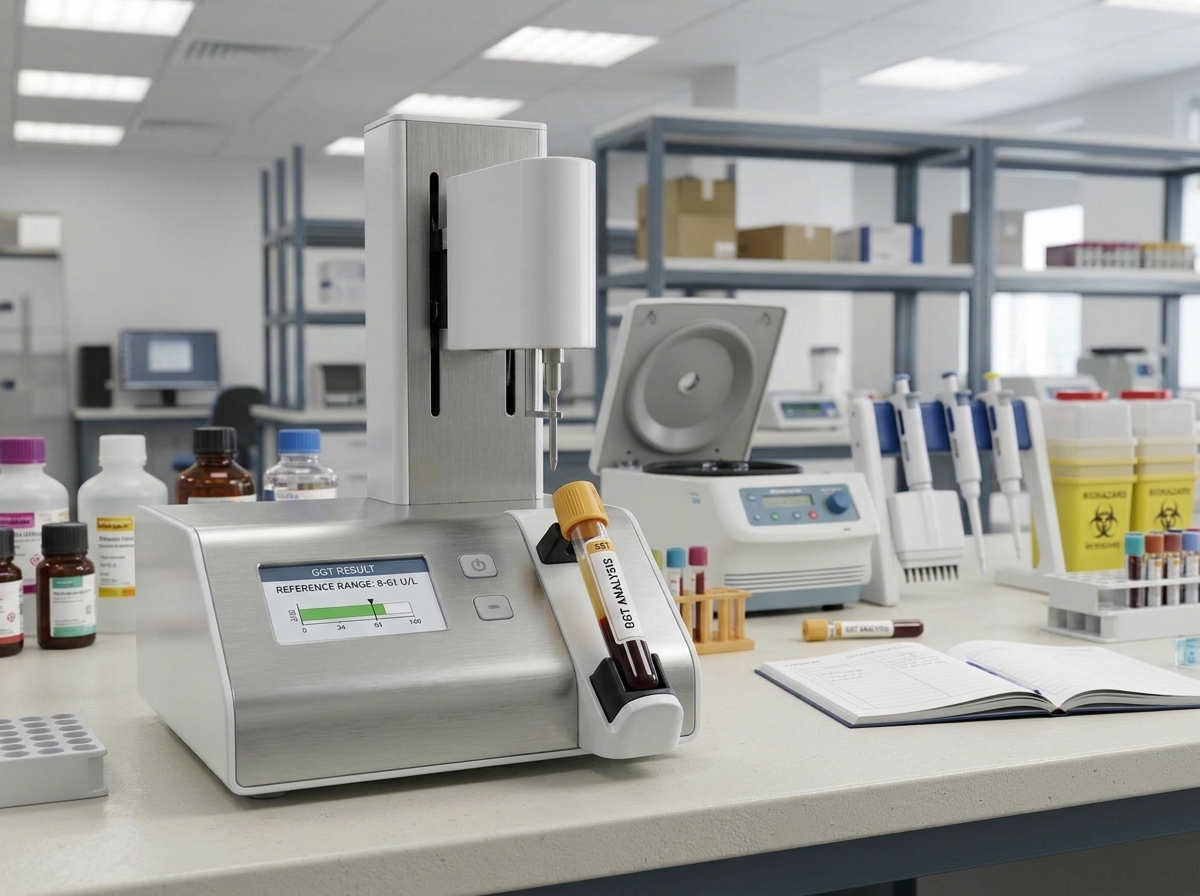
Automated laboratory analyzer testing a blood sample tube labeled "GGT ANALYSIS," with a digital screen displaying a normal GGT result within the reference range of 8–61 U/L.

The GGT normal range varies according to the laboratory, testing method, age, sex, and other factors. Always compare your result with the reference interval printed on your own laboratory report.

GroupApproximate reference limit
Adult menBelow 50 U/L
Adult womenBelow 40 U/L

These figures are general examples, not universal cut-offs. Some laboratories use different limits, so a value slightly above one laboratory's range may fall within another's. Children can also have different reference intervals.

Interpreting GGT liver function results requires more than checking whether a number is flagged high. Your clinician will consider the degree of elevation, previous results, other liver-related markers, medication use, alcohol intake, and any symptoms.

What Does a High GGT Mean?

An elevated GGT indicates increased enzyme activity in the blood, which may reflect liver or biliary irritation. It can occur with fatty liver disease, alcohol-related injury, certain medications, and conditions that interfere with bile drainage. People searching for GGT blood test high meaning should know that the number alone cannot establish a diagnosis. The same level may have different explanations in different people, and the relationship between GGT and the severity of liver damage is not straightforward.

Mildly vs. Markedly Elevated GGT

A mild elevation may be associated with metabolic risk factors, alcohol use, or medication effects. A more pronounced increase may occur with significant liver or biliary disease, but there is no single GGT threshold that reliably identifies a particular diagnosis.

Result patternPossible interpretationWhat may happen next
Slightly above the reference rangeAlcohol exposure, metabolic factors, medication effects, or early liver changesReview history and other blood results; repeat testing if appropriate
Clearly elevatedPossible liver inflammation, fatty liver disease, or impaired bile flowFurther blood tests and clinical assessment
Markedly elevatedPotentially significant liver or biliary disease, among other causesPrompt assessment, guided by symptoms and accompanying results

These patterns are illustrative, not diagnostic categories. A very high result does not prove permanent damage, and a modest elevation should not automatically be dismissed.

Common Causes of High GGT

The high GGT causes most relevant to an individual depend on their medical history, other test results, and exposure to potential triggers. Several common possibilities deserve consideration.

Alcohol Consumption

Sustained heavy alcohol use can increase GGT and contribute to liver inflammation or damage. Levels may decline after stopping alcohol, depending on the underlying cause. Medical guidance is important if alcohol dependence is possible, as withdrawal can be dangerous.

Fatty Liver Disease

MASLD, formerly called non-alcoholic fatty liver disease, involves fat accumulation in the liver and is associated with insulin resistance, type 2 diabetes, excess body weight, and abnormal blood lipids. GGT may be elevated, but normal levels do not rule it out.

Bile Duct Blockage / Cholestasis

Impaired bile flow due to gallstones, bile-duct narrowing, or other disorders can raise GGT and ALP. Jaundice, dark urine, pale stools, or itching warrant medical evaluation.

Certain Medications

Some prescription medicines, including certain anti-seizure drugs, as well as over-the-counter products and herbal preparations, can increase GGT. Consult your clinician before changing or stopping medication.

Other Causes: Hepatitis, Heart Failure, and Diabetes

Hepatitis and other inflammatory liver conditions can raise GGT. Diabetes may be associated with metabolic fatty liver disease, while heart failure can affect the liver through congestion. Further assessment helps identify the cause.

GGT and ALP: Why They Are Tested Together

GGT and ALP are often measured together because their combined pattern can help identify the likely source of an abnormal result. ALP can originate from the liver, bile ducts, or bones, whereas GGT is more closely associated with the liver and biliary system. When ALP and GGT are both elevated, a liver or biliary source becomes more likely. If ALP is elevated but GGT is normal, a bone-related cause may be considered, although this pattern is not definitive.

A liver function test panel may also include ALT, AST, bilirubin, and other markers. These provide complementary information about liver-cell injury, bile flow, and related processes. No single combination can diagnose every liver condition, so further investigations may be needed.

Symptoms Linked to High GGT

High GGT itself usually does not cause symptoms. Any symptoms present generally relate to the underlying condition, and some people have no noticeable symptoms at all. Depending on the cause, possible symptoms include:

  • Fatigue or reduced energy.
  • Discomfort in the upper-right abdomen.
  • Nausea or reduced appetite.
  • Yellowing of the skin or eyes.
  • Dark urine or unusually pale stools.
  • Persistent itching.

Seek urgent medical assessment if you develop jaundice with fever or significant abdominal pain, or experience severe or rapidly worsening symptoms. Confusion, vomiting blood, or unusual bleeding also require emergency care.

How to Lower High GGT

The most effective way to reduce elevated GGT is to identify and address its cause. There is no single supplement or treatment that safely lowers the enzyme in every situation. Depending on your circumstances, your clinician may recommend:

  • Reviewing alcohol intake: Avoid alcohol if advised, particularly when alcohol-related liver injury is suspected.
  • Improving metabolic health: If appropriate, gradual weight loss, regular physical activity, and a balanced diet can help manage metabolic risk factors associated with fatty liver disease.
  • Reviewing medicines: Ask your clinician or pharmacist whether any medication or supplement could be contributing.
  • Treating the underlying condition: Hepatitis, bile-duct obstruction, and other medical conditions require specific management.
  • Repeating blood tests when appropriate: Follow-up testing can show whether levels are changing after an intervention.

Improving GGT liver function markers is not the same as proving that the liver has fully recovered. Enzyme levels may improve while some underlying problems persist, so follow-up should be guided by a healthcare professional.

When to See a Doctor

Discuss an elevated GGT with your doctor, especially if other liver-related results are abnormal, the elevation persists, or you have risk factors for liver disease. Your clinician may review your history, examine you, request additional blood tests, or arrange an ultrasound depending on the findings. Seek prompt assessment if you notice jaundice, dark urine, pale stools, or persistent abdominal pain. Do not wait for a repeat test if significant symptoms develop.

A GGT liver function result should be interpreted in context, not in isolation. Early evaluation can help identify treatable causes and determine whether further monitoring is necessary.

Understand Your Liver Panel With My Simple Report

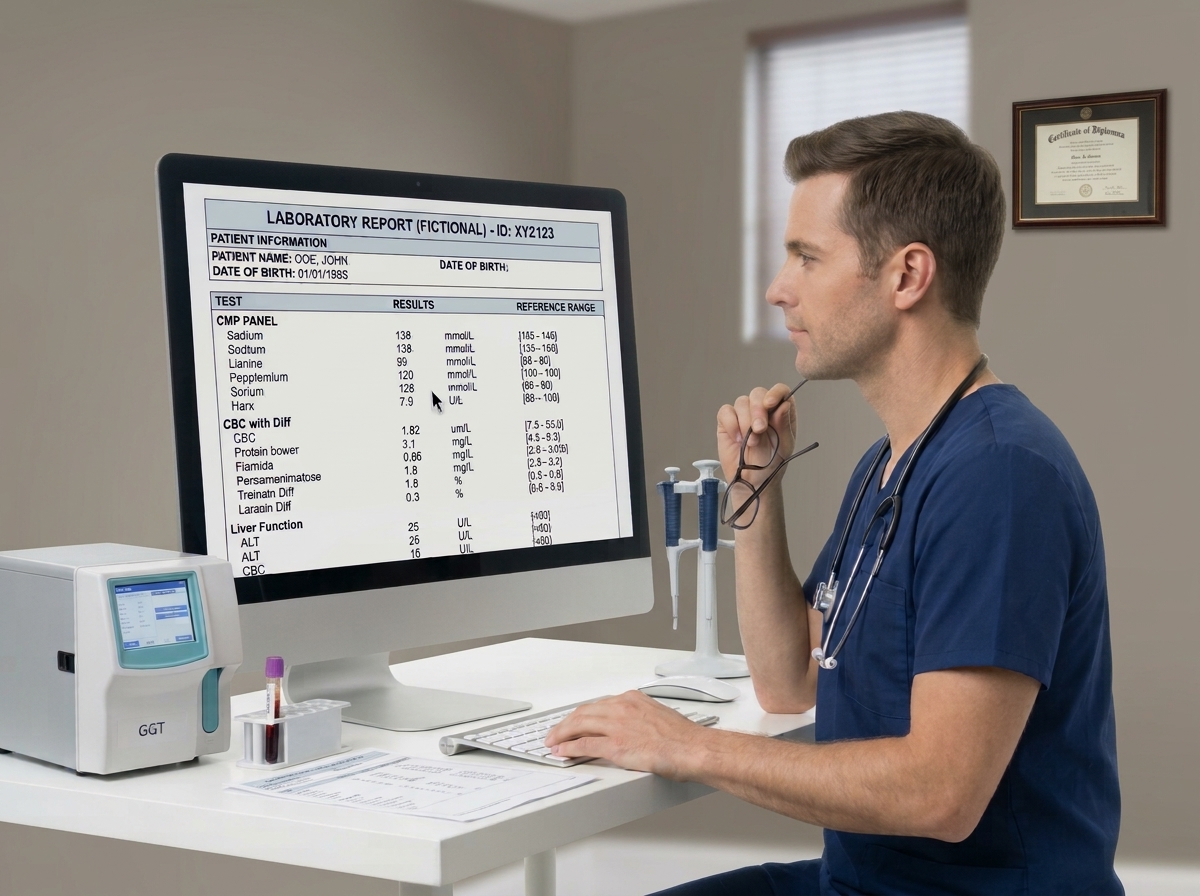
Male healthcare professional in blue scrubs and a stethoscope reviewing a laboratory report—including CMP panel, CBC with diff, and liver function results—on a desktop monitor beside a GGT analyzer.

MySimpleReport helps you understand your laboratory results by presenting health information in a more accessible format. Reviewing your report can help you identify which values fall outside the laboratory's reference ranges and prepare useful questions for your next appointment.

Put Your GGT Result Into Context

An elevated GGT can reflect alcohol exposure, fatty liver disease, medication effects, or a problem affecting bile flow. Its significance depends on the degree of elevation, accompanying blood results, symptoms, and individual risk factors. A GGT liver function result is a starting point for investigation, not a diagnosis. Understanding your report and discussing persistent abnormalities with your doctor can help you identify appropriate next steps.

Frequently Asked Questions

What does a high GGT level mean?
A high GGT level may indicate liver irritation, impaired bile flow, alcohol exposure, medication effects, or metabolic liver disease. Further assessment is needed to establish the cause.
What is a normal GGT level?
Approximate adult reference limits are below 50 U/L for men and below 40 U/L for women. Your laboratory's reference interval takes priority because ranges vary.
What is the most common cause of high GGT?
There is no single most common cause for everyone. Alcohol use and metabolic fatty liver disease are important possibilities, but medication effects and biliary conditions should also be considered.
Can high GGT go back to normal?
Yes. GGT may return to the reference range when a reversible cause is addressed. The time required varies, and normalisation does not always mean the underlying condition has resolved. Follow your clinician's advice about repeat testing.