
High liver enzymes can indicate inflammation, injury, or stress affecting the liver. Common causes include metabolic dysfunction-associated steatotic liver disease (formerly called non-alcoholic fatty liver disease, or NAFLD) and alcohol use. However, certain medications, viral infections, and other medical conditions can also raise enzyme levels. Many people have no noticeable symptoms, and some causes are reversible with appropriate treatment and lifestyle changes. Abnormal results do not automatically mean serious liver disease, but they should be evaluated to identify the underlying cause.
Understanding your results helps you take the right next steps. The degree of elevation, the specific enzymes involved, your medical history, and other test findings all influence what the results mean and which interventions may help.
What Are Liver Enzymes?
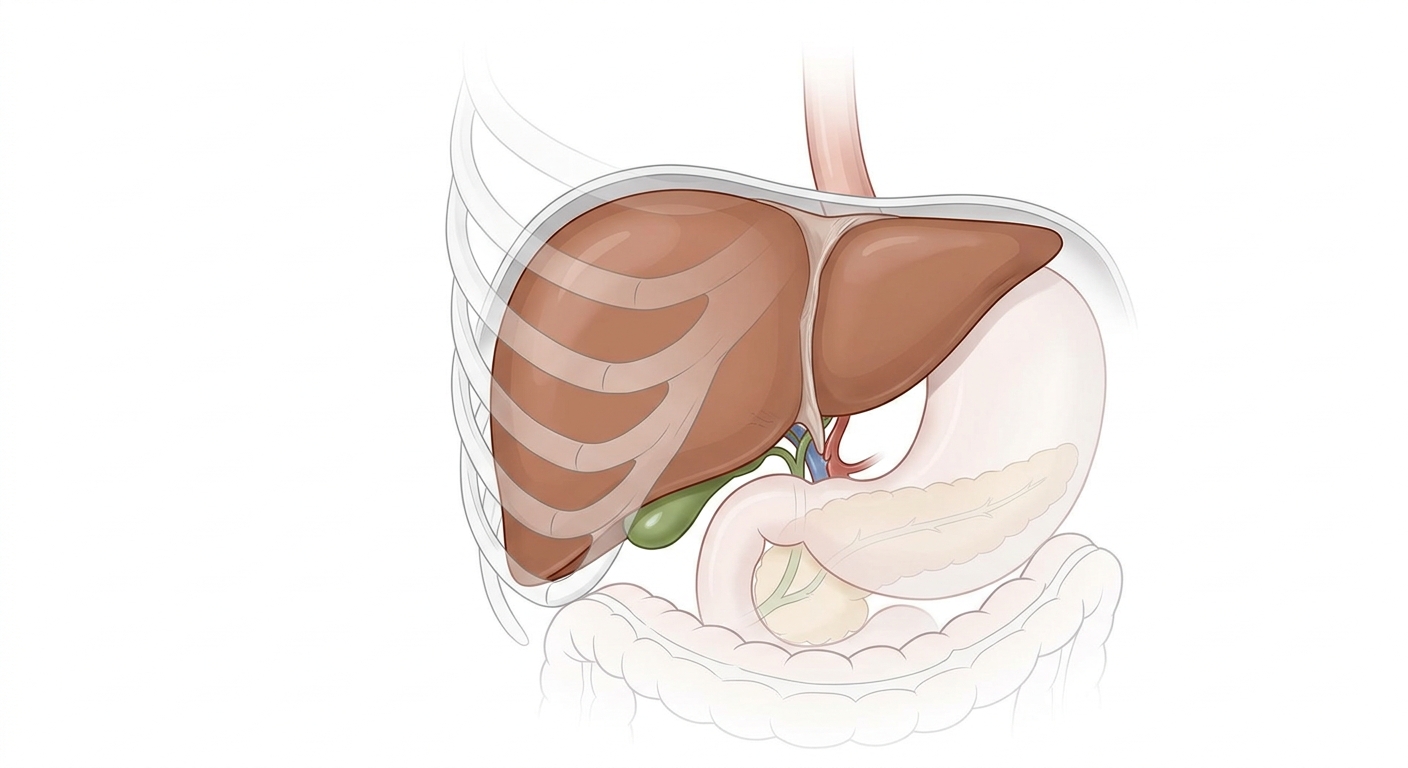
Liver enzymes are proteins that help liver cells perform essential chemical reactions. When liver cells become irritated or damaged, certain enzymes can leak into the bloodstream, increasing their measured levels. Other enzymes may rise when bile flow is impaired. A liver function test (LFT) typically includes measurements of liver-associated enzymes alongside other markers, such as bilirubin, albumin, and sometimes clotting tests. These measurements provide different information, so elevated enzymes alone cannot establish how well the liver is functioning.
ALT and AST (The Main Markers)
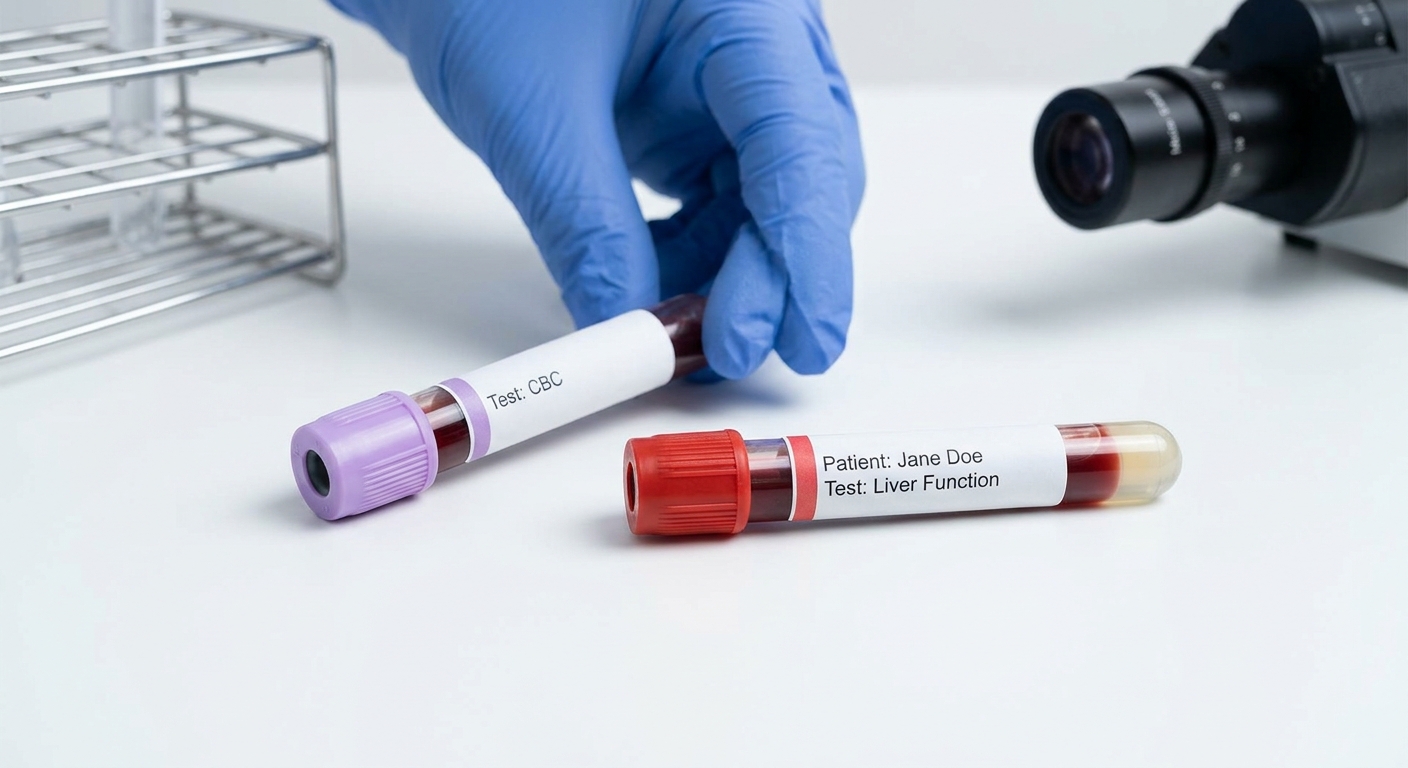
ALT (alanine aminotransferase) is found mainly in the liver, making it a relatively specific marker of liver cell injury. Elevated ALT may occur with fatty liver disease, viral hepatitis, medication-related injury, and other liver conditions. AST (aspartate aminotransferase) is present in the liver but also in muscles, the heart, and other tissues. Therefore, an elevated AST level may reflect liver injury or a problem outside the liver, such as muscle damage.
ALP and GGT
Alkaline phosphatase (ALP) can increase when bile flow is obstructed or when certain liver and bile duct conditions are present. However, ALP also comes from bone, so its source may require further investigation. Gamma-glutamyl transferase (GGT) helps clinicians determine whether an elevated ALP is likely related to the liver or bile ducts. GGT can also rise with alcohol use and certain medications, but it is not specific enough to diagnose a condition on its own.
What Do High Liver Enzymes Mean?
High liver enzymes mean that one or more measured enzyme levels exceed the laboratory's reference range. This finding is a clue that warrants interpretation rather than a diagnosis in itself.
Mild Vs. Significantly Elevated Levels
| Result pattern | Possible interpretation | Typical next step |
| Mild ALT or AST elevation | Fatty liver, alcohol, medication effects, or other causes | Review risk factors and repeat testing when advised |
| Markedly elevated ALT or AST | Acute liver injury, including viral or medication-related causes | Prompt medical assessment |
| Elevated ALP with GGT | Possible bile duct or liver-related condition | Further blood tests or imaging if indicated |
| Elevated bilirubin with abnormal enzymes | Possible impaired bile processing or significant liver injury | Timely assessment, urgently if jaundice develops |
These patterns are general guides, not diagnostic rules. Laboratory reference ranges and individual circumstances vary.
What Causes High Liver Enzymes?
Understanding what causes high liver enzymes is essential because treatment depends on the underlying condition, not simply on lowering the numbers.
Non-Alcoholic Fatty Liver Disease (NAFLD) — Most Common
Fatty liver disease associated with metabolic dysfunction is a common reason for abnormal liver enzyme results. Fat accumulates in liver cells and may trigger inflammation and injury. In some people, the condition progresses to scarring, known as fibrosis. Risk factors include excess abdominal weight, insulin resistance, type 2 diabetes, high triglycerides, and metabolic syndrome. Early disease often improves with sustained lifestyle changes, although enzyme levels alone cannot determine the degree of liver damage.
Alcohol-Related Liver Disease
Regular heavy alcohol consumption can damage liver cells and cause inflammation. The risk depends on the amount consumed, drinking patterns, and individual susceptibility. Some people develop liver injury even before obvious symptoms appear. Reducing or stopping alcohol can help, depending on the extent of damage. People who may be physically dependent on alcohol should seek medical advice before stopping abruptly, as withdrawal can be dangerous.
Medications (E.g., Acetaminophen, Statins)
Some medicines can affect liver enzymes. Acetaminophen, also called paracetamol, can cause severe liver injury when taken in excessive amounts. Certain antibiotics, supplements, and herbal products can also cause drug-induced liver injury. Statins may cause enzyme elevations in some people, but serious liver injury is uncommon. Patients should not stop prescribed medication without consulting their clinician. A review of dosage, interactions, and other possible causes can help determine whether a change is necessary.
Viral Hepatitis (A, B, C)
Hepatitis A, B, and C can inflame the liver and increase enzyme levels. Hepatitis A usually causes an acute infection, whereas hepatitis B and C can sometimes become chronic. Testing is needed to identify the virus and determine the appropriate treatment or monitoring.
Other Causes (Obesity, Diabetes, Autoimmune, Heart Failure)
Obesity and diabetes increase the likelihood of metabolic fatty liver disease. Autoimmune hepatitis can cause the immune system to attack liver tissue, while heart failure may impair blood flow or cause congestion in the liver. Gallstones and bile duct disorders are additional possibilities.
High Liver Enzymes Symptoms
High liver enzymes symptoms are often absent, particularly during early liver disease. When symptoms occur, they vary according to the underlying cause and the extent of liver injury.
Why There Are Often No Symptoms
The liver has considerable functional reserve, meaning it can continue performing essential functions despite some injury. As a result, abnormal blood results may be the first indication of a problem. Routine blood testing can identify changes before someone feels unwell. However, normal enzyme levels do not always rule out chronic liver disease, so people with relevant risk factors may need further assessment.
Warning Signs (Fatigue, Jaundice, Abdominal Pain, Dark Urine)
Possible symptoms include persistent fatigue, nausea, reduced appetite, discomfort in the upper-right abdomen, itching, and unexplained weakness. Jaundice, which causes yellowing of the skin or whites of the eyes, may indicate a problem with bilirubin processing.
Dark urine, pale stools, or abdominal swelling can also occur in liver or bile duct disease. Seek urgent medical care for jaundice with worsening illness, severe abdominal pain, confusion, unusual bleeding, or persistent vomiting.
ALT and AST High Meaning (What the Pattern Tells You)
The relationship between ALT and AST can help clinicians narrow down possible causes, but neither enzyme provides a definitive diagnosis. ALT elevations are more suggestive of liver cell injury, whereas AST can also increase after strenuous exercise or muscle damage. An AST-to-ALT ratio may provide additional context: a ratio above two can be associated with alcohol-related liver disease, but it is not conclusive.
The magnitude and duration of the elevation, ALP, bilirubin, medication history, alcohol intake, and symptoms all help determine what further investigations are needed.
How to Lower High Liver Enzymes
The best way to address high liver enzymes is to treat the cause while supporting overall metabolic and liver health. No single food, supplement, or home remedy reliably lowers every type of elevation.
| Lifestyle Change | How It Helps |
| Lose Excess Weight | Gradual weight loss can reduce liver fat and inflammation in people with metabolic fatty liver disease. |
| Limit or Avoid Alcohol | Avoiding alcohol can help prevent further liver injury when alcohol contributes to elevated enzyme levels. |
| Eat a Liver-Friendly Diet | Choose vegetables, fruit, whole grains, legumes, nuts, and lean protein. Limit sugary drinks, highly processed foods, and excess saturated fat. |
| Review Medications and Supplements | Discuss all medicines, vitamins, and herbal supplements with your clinician. Avoid unproven detox products and never stop prescribed medication without medical advice. |
| Exercise Regularly | Aim for at least 150 minutes of moderate-intensity aerobic activity weekly, if your health allows, to support metabolic health and weight management. |
| Manage Diabetes and Cholesterol | Keep blood glucose, blood pressure, and cholesterol under control to reduce metabolic risks associated with fatty liver disease. |

High Liver Enzymes Treatment (Medical Options)
Treatment depends on the cause. A clinician may recommend repeat blood tests, viral hepatitis screening, additional laboratory investigations, or an ultrasound. Persistent abnormalities may require specialist assessment or further testing for autoimmune disease, iron overload, or liver fibrosis.
Management may include antiviral medication for eligible hepatitis infections, stopping or changing a causative medicine under supervision, treatment for autoimmune hepatitis, or targeted management of metabolic disease. There is no universal medication for every enzyme elevation.
When to See a Doctor
Arrange a medical appointment if an abnormal result is unexplained, persists on repeat testing, or occurs alongside risk factors such as diabetes, obesity, or regular alcohol use. Seek urgent assessment for jaundice, severe abdominal pain, confusion, vomiting blood, or black stools. Suspected acetaminophen overdose requires immediate emergency advice, even if symptoms have not developed.
Take the Next Step Toward Better Liver Health
High liver enzymes can have several explanations, ranging from temporary changes to conditions requiring specific treatment. Identifying the cause is more important than focusing on the numbers alone. Appropriate follow-up, sustainable lifestyle changes, and management of underlying conditions can help protect long-term liver health.
Understand Your Liver Function Test With My Simple Report
Your blood test results are easier to understand when you know what each marker measures and how the values relate to one another. My Simple Report helps you make sense of your laboratory results with clear, accessible health information.
Visit MySimpleReport to explore your lab results, understand what your liver markers may indicate, and prepare informed questions for your healthcare professional. Remember that an online report supports understanding but does not replace a clinician's diagnosis or treatment recommendations.